Matilda Ekholm
Water, smoke, fire
Programs: Blender, Adobe Photoshop
Background
As part of this project, we were tasked with creating two images in Blender, one featuring fire and the other water. To deepen our understanding of how lighting behaves when photographing these elements in real life, we visited Nadim’s studio, where he works professionally with photography for a variety of clients. During the visit, he demonstrated and explained how lighting setups work in practice, as well as key considerations when illuminating a scene. It was both an enjoyable and highly educational experience.
After the studio visit, we began working on our own images. I already had a clear vision of what I wanted to create, so I started by searching for suitable base models to build upon. Once I found the assets I needed, I focused on refining the textures in Blender to make the models resemble the real-world products I aimed to recreate.
Challenge
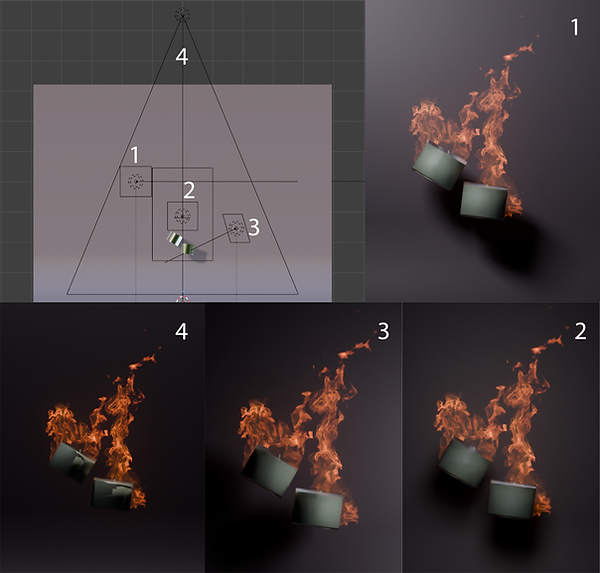
The biggest challenge I faced was lighting, particularly when working on the fire scene. I chose to use scented candles placed inside glass containers, which made it especially difficult to control the lighting in the way I intended. Although I had gathered reference images that I initially aimed to replicate, I ultimately had to shift my focus toward minimizing the unwanted reflections created by the glass surfaces.
.png)
.png)

Solution
After spending many hours refining my images, I decided to pause and be satisfied with my progress for the moment, as we were scheduled to receive feedback from Nadim. When I presented my work and explained the challenges I had encountered, he provided valuable insights on how I could improve.
For the fire scene, he pointed out that I was using too many light sources and encouraged me to commit to a more defined lighting direction. Regarding the water scene, he noted that the composition could be better centered. He also suggested raising the product slightly to make it stand out more clearly as the focal point the “hero” of the image.
I found the feedback both constructive and motivating, and I looked forward to applying these improvements to my work.
Result
In the end, I achieved a result that I was happy with, and the feedback I received made a significant difference in improving my work. I still find lighting challenging especially when working with glass materials but this project helped me develop a deeper understanding of how light behaves and how to control it more effectively.


See what else I’ve been working on


